



Lead Time Structural Steel Risk: Why Early Material Coordination Prevents Project Delays
Structural steel projects across infrastructure, energy, and industrial construction face tight mill schedules and rising demand across sectors. As a result, material planning now dictates project success just as heavily as connection design or site prep.
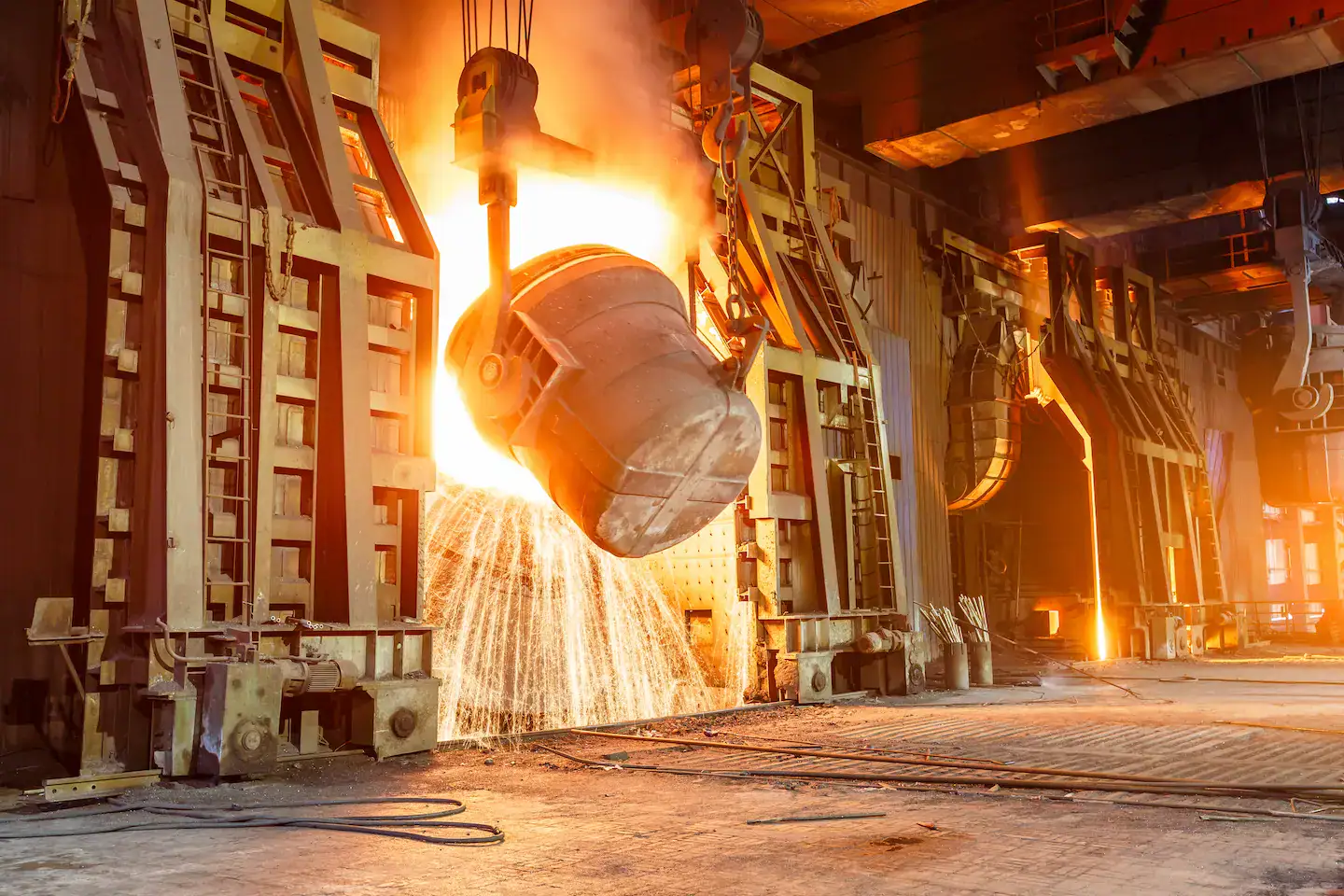
Addressing lead time early prevents procurement bottlenecks from becoming critical-path delays. General contractors, fabricators, and detailers must treat material availability as a core engineering parameter, not an afterthought.
Why Lead Time Threatens Project Execution
Lead time used to be a purchasing conversation. On today’s projects, it’s showing up as an execution problem instead. Long production cycles, tighter schedules, and steady demand across infrastructure and energy work are pushing material planning earlier into the project timeline than many teams are used to.
When a mill adjusts its rolling schedule, or a heavy wide-flange shape (such as a W36 section) encounters a production backlog, the disruption ripples downstream. Detailing stalls while BIM managers wait on confirmed mill member depths to finalize connection geometry. Consequently, shop fabrication schedules slip, leaving field erection crews idle.
Treating material sourcing as a late-stage purchasing task creates compounding schedule exposure before steel even hits the hook.
Shifting from Late Sourcing to Early Coordination
Mitigating schedule risk requires moving material planning upstream into early estimating and pre-construction while design modifications remain cost-effective. Identifying long-lead heavy shapes, high-strength plate stock, or mill tonnage minimums early preserves flexibility for the entire project team.
Early material coordination offers three practical advantages during pre-construction:
- Estimating Alignment: Checking real-time mill rolling schedules during initial budget development prevents specifying obscure member sizes that require costly substitutions later.
- Detailing Synchronization: Connecting structural detailers with service centers early ensures shop drawings reflect standard stock lengths (e.g., 40 ft or 60 ft stock), reducing drop waste and shop cutting labor.
- Sequential Ordering: Staging mill orders around site erection sequences maintains steady fabrication shop throughput without cluttering field laydown yards.
The Role of Regional Inventory
Relying only on mill rolling cycles leaves a project exposed to transportation delays and production backlogs outside anyone’s control. Having reliable access to regional warehouse stock gives fast-track schedules a buffer they wouldn’t otherwise have.
Regional steel service center locations provide the buffer necessary to absorb primary mill delays and sudden field revisions. Having local access to warehouse inventory protects fast-track schedules when primary mill delivery dates slip.
Regional service centers stocking wide-flange beams, H-pile, structural tubing (HSS), channel, angle, and heavy plate allow fabricators to pull stock immediately. Sourcing stock shapes locally bridges the gap when scope shifts occur, or field conditions require swift repair and replacement material.
Building Schedule-Driven Partnerships
Solving lead time problems takes honest, ongoing conversation between owners, general contractors, fabricators, and suppliers. Traditional transactional purchasing tends to hide supply chain friction until it shows up as a missed delivery date.
Schedule-driven partnerships work differently. Sharing project milestones early and talking through mill lead times openly lets teams adjust to market conditions before they become a problem, rather than after. That kind of early, direct conversation is what keeps a critical path schedule intact.
Aligning Procurement with Project Execution
Structural steel teams that integrate lead-time analysis directly into project execution planning insulate their schedules against volatile supply chain shifts.
When estimators, detailers, fabricators, and material distributors align early, projects progress more predictably from Tekla models to final field erection. Establishing material coordination early grants teams control over lead times when changes are least expensive to implement.
Strategic Early Material Coordination Protects Critical-Path Schedules
Lead time pressures in structural steel will persist, but proactive material coordination prevents them from causing critical-path delays. Project success relies less on expediting mill shipments and more on transparent, early-stage communication between all stakeholders.
Integrating procurement insights into early pre-construction conversations ensures schedules stay intact from initial design through final steel erection.